


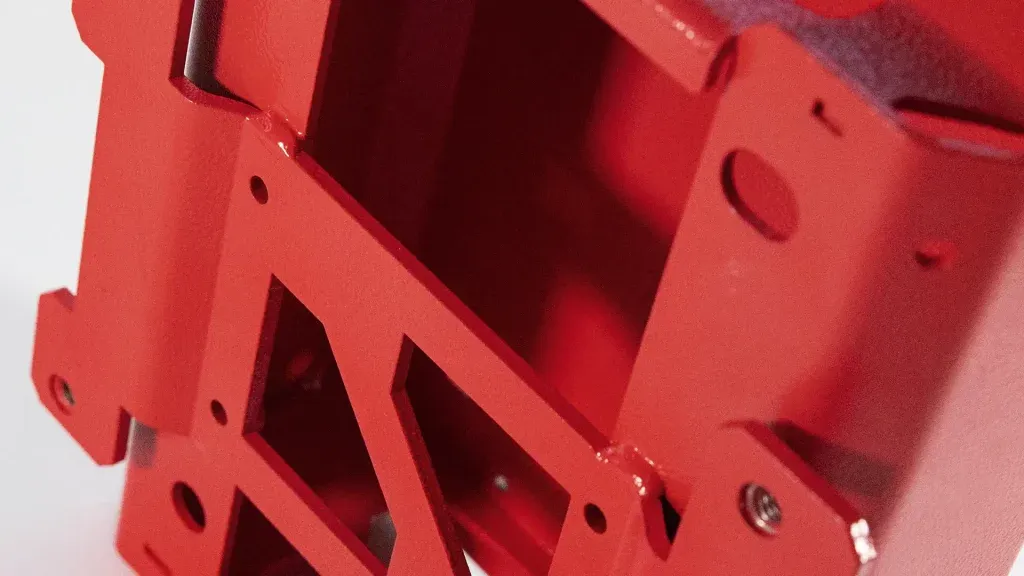
Surface treatments for sheet metal are essential in the manufacture of metal parts, as they not only extend the service life of the products but also improve their performance and appearance. Each treatment provides specific properties, such as corrosion resistance, increased hardness, or a decorative finish, making the sheet metal suitable for a variety of industrial applications.
Major Surface Treatments for Sheet Metal
Next, we’ll explore some of the most popular surface treatments in the metal parts manufacturing industry:
-
Galvanized
Galvanizing is one of the most popular treatments for metal parts exposed to humid environments or harsh conditions. It involves applying a layer of zinc to the surface of the sheet metal, which acts as a protective barrier against rust. This process allows the zinc to oxidize before the base metal does, thereby extending the part’s service life. It is a durable, low-maintenance option, ideal for building structures, fences, and parts exposed to the elements.
-
Zinc-plated
Zinc plating, also known as electrolytic zinc coating, is performed using an electrochemical bath that creates a thinner and more uniform layer of zinc than in galvanizing. This treatment is ideal for parts that require corrosion resistance and an attractive finish. In addition, it allows for finishes in different colors, making it suitable for industries where appearance is key, such as the automotive and decorative sectors.
-
Powder Coating
Powder coating, or electrostatic coating, is a dry coating that adheres through static electricity and is cured in an oven. This process provides a uniform and durable finish, ideal for improving both the durability and appearance of the part. It offers a variety of colors and textures and is less polluting than conventional liquid paints, making it widely used in the automotive and home appliance industries.
-
Electrolytic Treatments
Electrolytic treatments, such as nickel plating and chrome plating, involve immersing parts in a solution of metal ions that are deposited onto the sheet metal under an electric current. These processes improve corrosion resistance, increase hardness, and provide a decorative finish, such as a metallic sheen or a satin finish. They are ideal for parts that require additional protection and a visually appealing finish.
-
Temple
Hardening is a heat treatment that involves heating the metal to high temperatures and then cooling it rapidly. This process increases the hardness and strength of the sheet metal, making it suitable for components subjected to mechanical stress or continuous wear. Quenching is particularly useful in demanding applications, such as machinery components and tools.
-
Passivated
Passivation is a chemical treatment that creates a protective oxide layer on stainless steel parts and other metals. This layer is highly resistant to corrosion, helping to extend the metal’s service life. Passivation is especially useful in environments with exposure to chemicals or high humidity, minimizing the risk of oxidation without affecting the part’s finish—making it ideal for the medical and food industries.
-
Anodized
Anodizing is an electrolytic treatment that converts the surface of aluminum into a layer of aluminum oxide, improving its resistance to corrosion and wear. It also allows for decorative finishes in a variety of colors. It is ideal for parts that require both durability and aesthetic appeal, and is widely used in industries such as architecture and the automotive sector.
Frequently Asked Questions (FAQ)
What is the best treatment to prevent corrosion on metal parts?
Galvanizing and zinc plating are popular options for protecting metal parts from corrosion. Anodizing is also ideal for aluminum parts that require additional protection.
What is the difference between galvanized and zinc-plated?
Hot-dip galvanizing applies a thicker layer of zinc through hot-dip galvanizing, while electrogalvanizing creates a thinner, more uniform layer through an electrochemical bath, which is ideal for parts with aesthetic requirements.
What are the advantages of powder coating compared to other types of paint?
Powder coating provides a more durable, uniform, and environmentally friendly finish compared to liquid paints. It also offers a variety of colors and textures.
Are you interested in improving the durability and appearance of your metal parts?
At JOM, we have extensive experience in consulting and applying surface treatments for sheet metal. We understand that each project has unique requirements in terms of conditions of use, aesthetics, and durability, so we work closely with our clients to identify the most appropriate solutions.
We handle these treatments through certified suppliers in our industrial zone, ensuring the highest quality and compliance with industry standards.
Please feel free to contact us for expert advice and a customized quote. At JOM, we are committed to providing high-quality solutions that maximize the performance of your products.